

Computer Monitors For Game Design
The best gaming monitor 2021: the 10 best gaming screens of the year
Included in this guide:
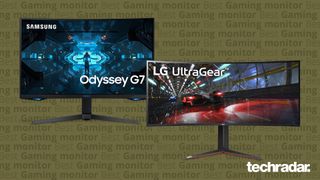
To fully get the most out of your gaming PC or Nvidia RTX 3000 series GPU, you'll want to invest in the best gaming monitor you can get. But, it might not necessarily be the most expensive options out there that are the best for you. Though there are plenty of deals out there thanks to Black Friday and Cyber Monday, you need to know what's the most appropriate option for you. Depending on what kind of PC games you play, you might have different priorities in terms of budget and needs than someone else.
Fortunately, there are options that fit the bill for every size, resolution, price point, and form factor. To go exploring the wide environments of open-world games, you'll want to consider getting an immersive 4K or curved monitor. But, if competition is more your thing, then you want to invest in an excellent gaming monitor that has speedier refresh rates. No matter what you're looking for, you'll end up with a better gaming experience with one of these displays.
We've collected our top picks of the best monitors for gaming that we've gotten our hands on to help you find your next display. Regardless of what you end up choosing, whether it's for a flagship PC, the new PS5, or an Xbox Series X, you're guaranteed that it's worth upgrading. Check out our picks alongside our price comparison tool to score a great gaming monitor deal.
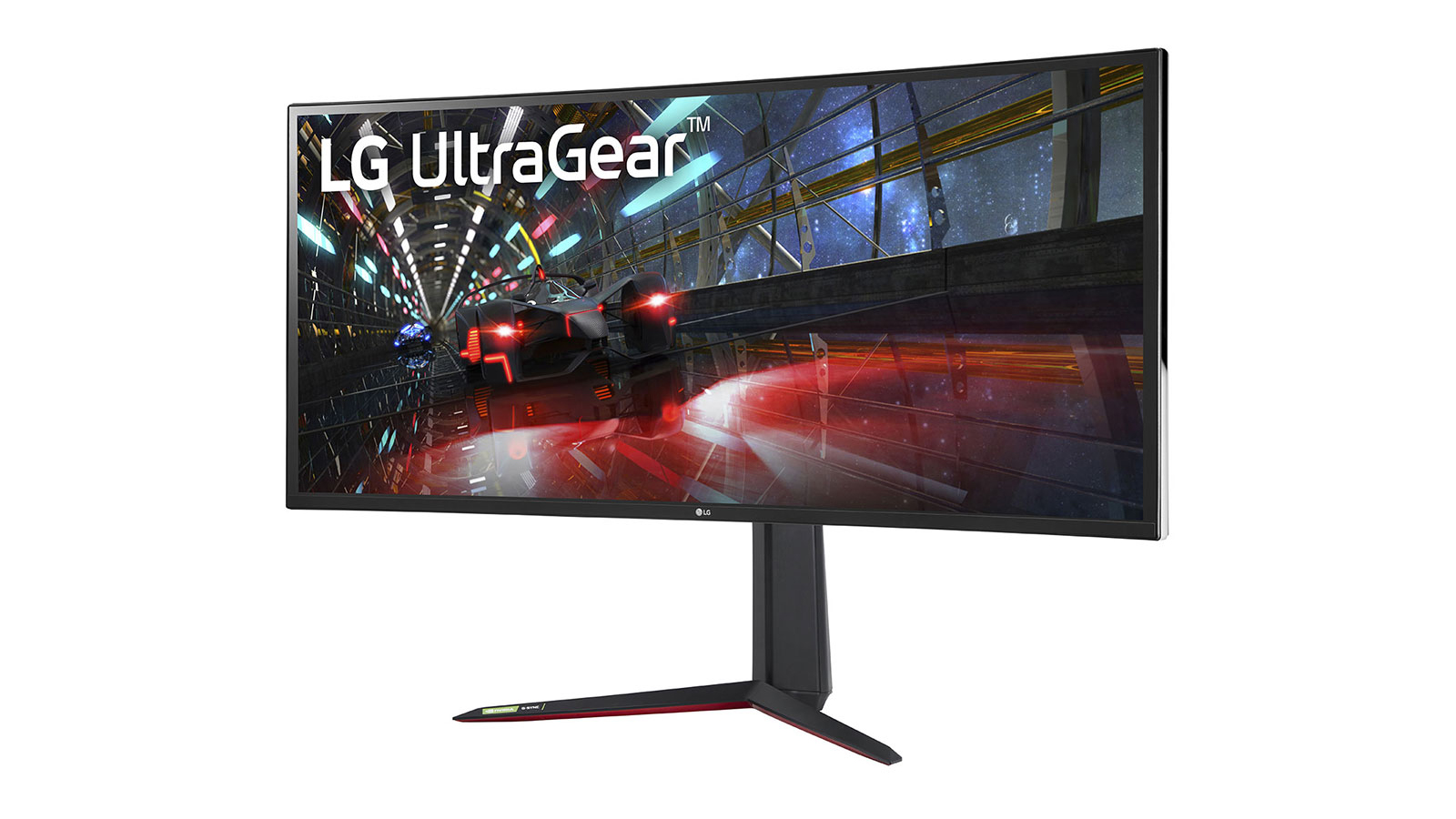
A killer ultra-wide gaming monitor
Specifications
Screen size: 38-inch
Aspect ratio: 21:9
Resolution: 3840 x 1600
Brightness: 450cd/m²
Response time: 1ms
Contrast ratio: 1000:1
Color support: DCI-P3 98%
Viewing angle: 178/178
Weight: 20.3 lbs
Reasons to buy
+Has many great gaming-centric features +Super-responsive and smooth performance
Reasons to avoid
-HDR can't compete with high-end TVs
It's hard not to be impressed by the LG UltraGear 38GN950. If you're looking for the ultimate gaming monitor, this is certainly the one to beat, with a 144Hz refresh rate that can be easily overclocked to 160Hz, 1ms response time, spectacular image quality, and many other gaming features like G-Sync, an ultra-wide aspect ratio and DisplayHDR 600. If you're serious about gaming and want lots of screen real estate, then this is the best gaming monitor to get – if you can afford it, that is.
Read the full review: LG UltraGear 38GN950
Best of both Worlds
Specifications
Resolution: 2,560 x 1,440
Brightness: 350 nits
Refresh rate: 240Hz
Response time: 1ms
Viewing angle: 178°(H)/178°(V)
Contrast ratio: 2,500:1
Color support: 95% DCI-P3
Reasons to buy
+Impressive VA Panel with 240Hz refresh at 1440p +Has both G-Sync and FreeSync for a smoother experience
Reasons to avoid
-Needs some calibration before use
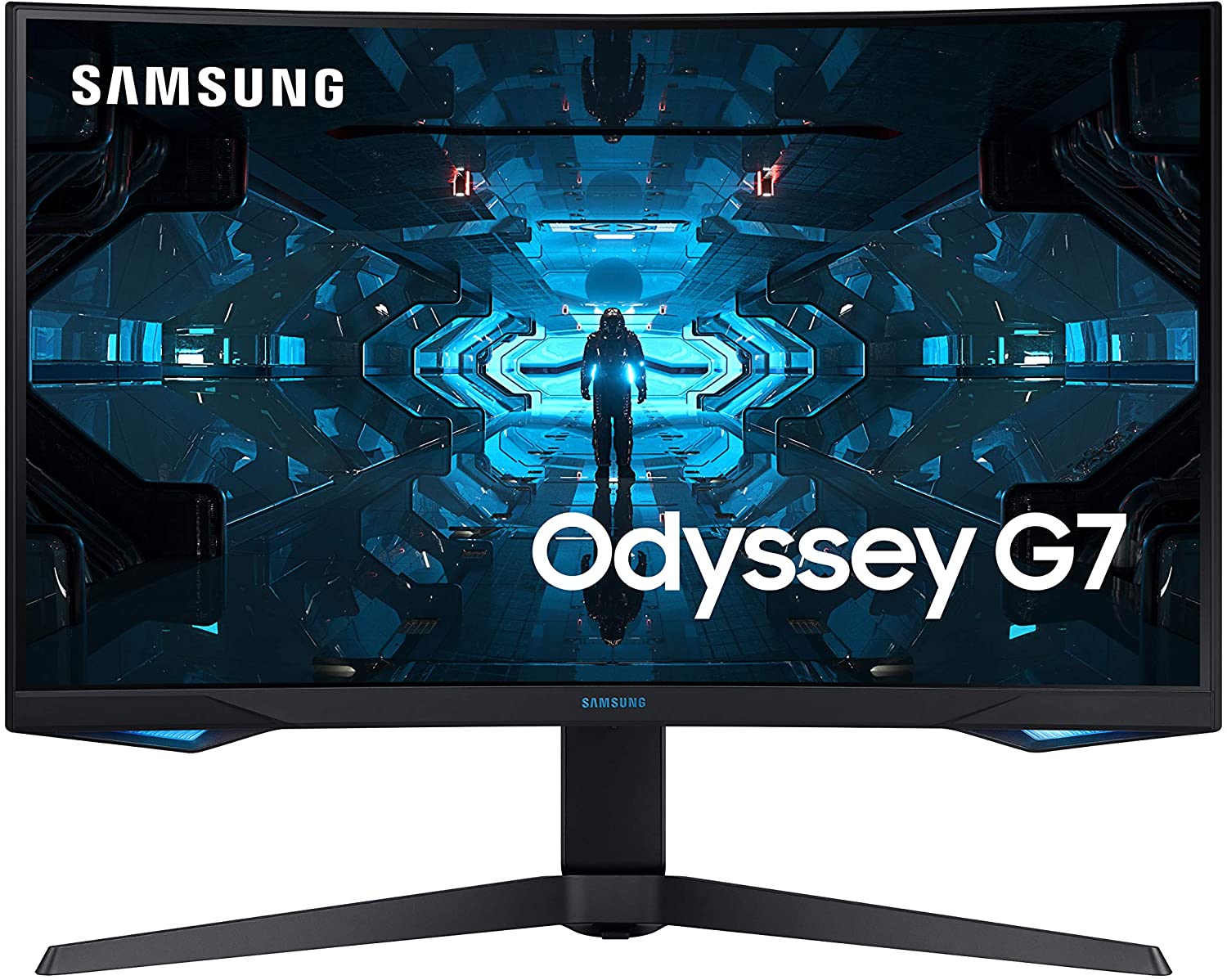
The best gaming monitors typically fall into two camps: fast refresh rate or high resolution. But, they almost never do both. With the Samsung Odyssey, that's not the case. It manages to pack 1440p resolution in the same display as a 240Hz refresh rate as well as excellent HDR, making this an ideal choice for any gamer that likes to play Esports one day and jump into an immersive open-world game the next. It's not perfect as it does take some work getting it up and running, but the Samsung Odyssey G7 is an ideal choice for gamers who have some variety in their gaming libraries.
Read the full review: Samsung Odyssey G7
TV-sized gaming monitor
Specifications
Screen size: 43-inch
Aspect ratio: 16:9
Resolution: 3840 x 2160
Brightness: 1,000 nits
Refresh rate: 144Hz
Response time: 1ms
Viewing angle: 178/178
Contrast ratio: 4000:1
Color support: 97% DCI-P3/ 150% sRGB/ 99% AdobeRGB
Weight: 10kg
Reasons to buy
+Better technical performance than a TV with a faster refresh rate +Proper HDR that is well implemented
Reasons to avoid
-Too big for regular office work
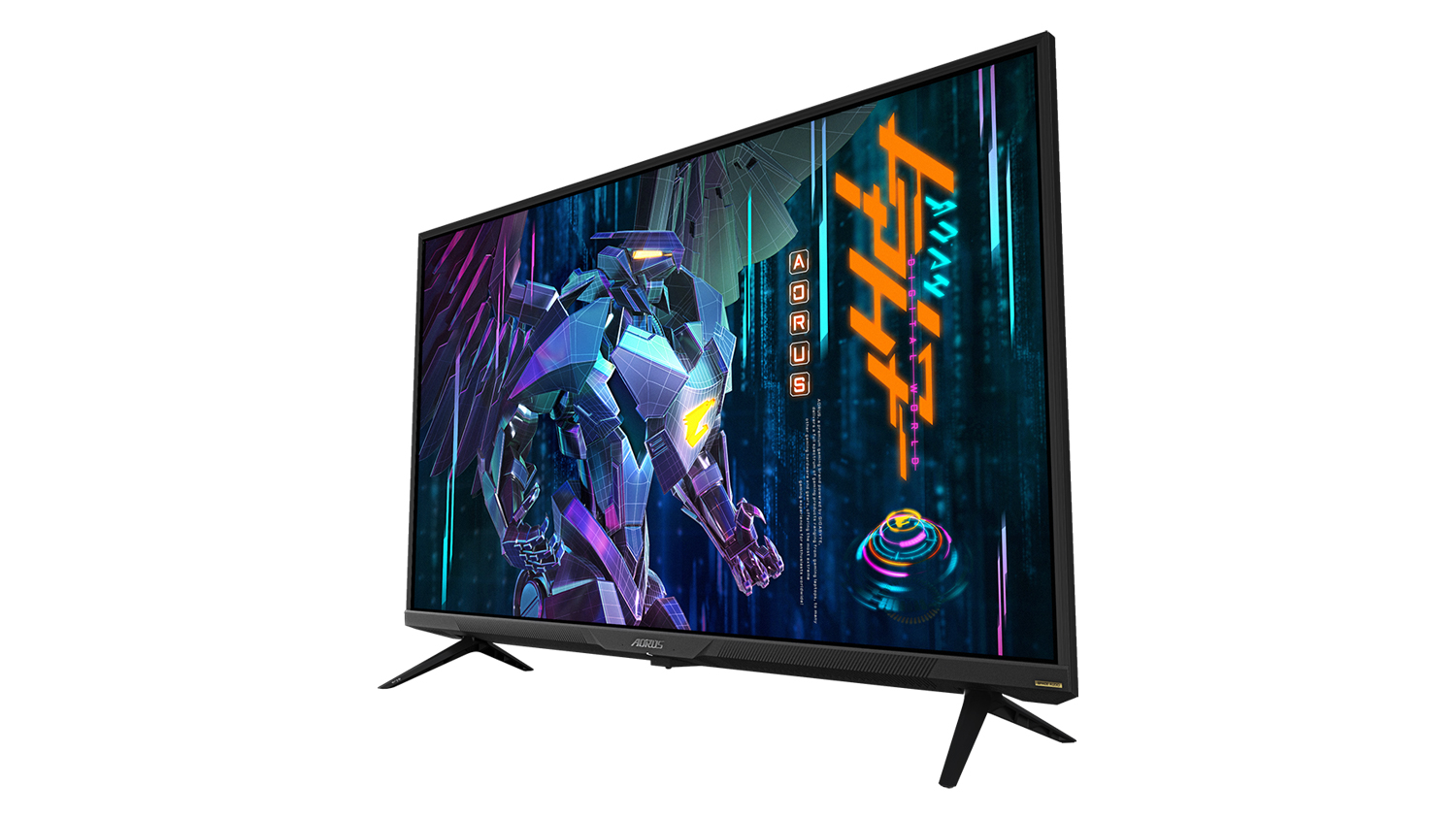
A 43-inch display may be too big for many users, but it might just be what you need if you're a competitive gamer. That 4K QD goodness offers better technical performance than a big-screen TV, and it comes with everything you need from a gaming monitor. That fast refresh rate, matte screen and gaming-optimized settings, as well as that 1,000 nits of brightness, makes it among the best gaming monitors right now. Unlike other monitors, it comes with a great set of speakers too. Plus, it can moonlight as a TV set too if you don't have enough space for two displays.
Read the full review: Gigabyte Aorus FV43U
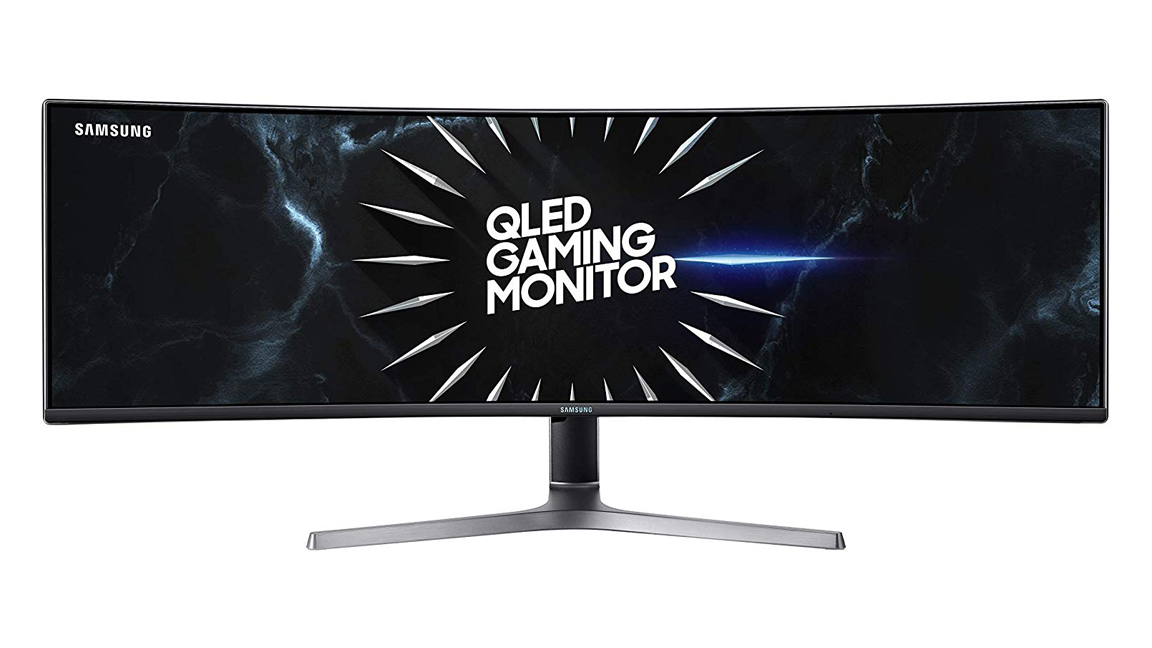
How big is too big?
Specifications
Screen size: 49-inch
Aspect ratio: 32:9
Resolution: 5,120 x 1,440
Brightness: 600cd/m2 – 1000cd/m2
Refresh rate: 120Hz
Response time: 4ms
Viewing angle: 178°(H)/178°(V)
Contrast ratio: 3,000:1
Color support: 1.07B
Reasons to buy
+Great screen size +HDR
Reasons to avoid
-Menu can be tricky -Needs tweaking out of box
It may be very expensive and requires a killer gaming PC setup to run, but the Samsung CRG9 is completely worth it if you've got the extra cash laying around. This bigger-than-average 49-incher boasts bezels thinner than most gaming monitors and a picture by picture mode feature that lets you use two different inputs, simulating a dual monitor setup in a single monitor. And, that's without mentioning that the Samsung CRG9 produces an out-of-this-world image right out of the box.
Read the full review: Sa msung C RG9
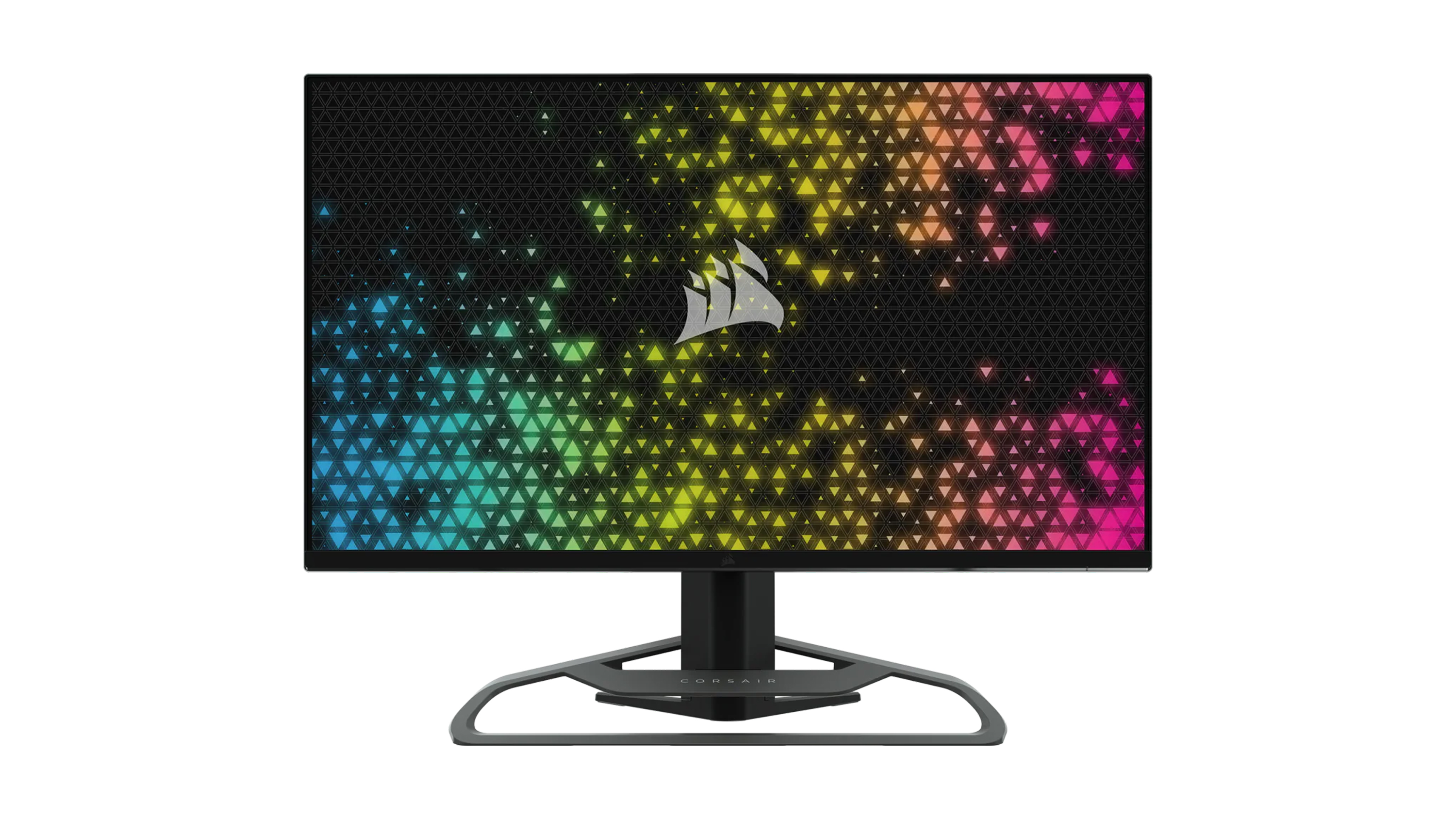
Cracking monitor, pity about the price
Specifications
Screen size: 32-inch
Aspect ratio: Brightness: 440 nits
Refresh rate: 165Hz
Response: 1ms MPRT (
Contrast: 1,000:1
Colour support: 98% DCI-P3, 100% Adobe RGB
Reasons to buy
+Fab all-round image quality +Good build and feature set
Reasons to avoid
-Very pricey for a 1440p panel
If 1440p is the sweet spot for PC gaming, is the new Corsair Xeneon 32QHD165 one of the tastiest monitors yet? It certainly has extremely palatable image quality thanks to a quality 32-inch IPS panel with great image quality. It's pretty quick too, with 1ms MPRT pixel response and 165Hz refresh. Corsair has also engineered the 32QHD165 very nicely with a cast aluminium stand and an excellent OSD menu. Put simply, every kind of game looks and feels great on the Corsair Xeneon 32QHD165. Our only reservation is that it's so very expensive for this class of gaming monitor.
Read the full review: Corsair Xeneon 32QHD165
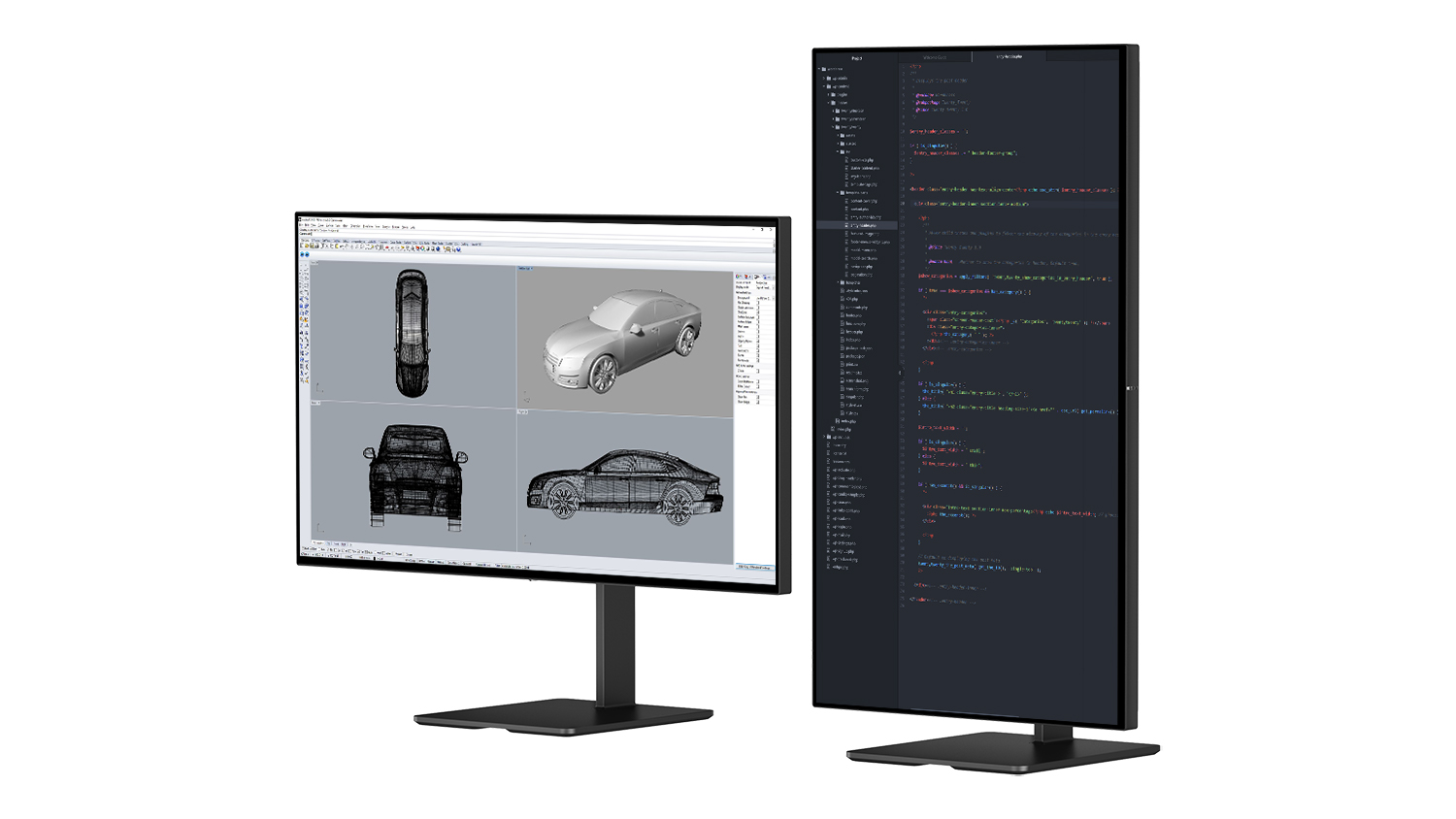
Panel fit for the modern-day gamer
Specifications
Screen size: 27-inch
Aspect ratio: 16:9
Resolution: 3840×2160
Brightness: 750cd/m²
Response time: 1ms
Viewing angle: 178/178
Contrast ratio: 1000:1
Color support: DCI-P3 98%
Weight: 14.7 lbs
Reasons to buy
+Excellent selection of ports +Fast refresh rate and accurate panel
Reasons to avoid
-Auto source switching is temperamental
The Eve Spectrum 4K 144Hz monitor is an v27-inch gaming display – and one of the best we've ever used, particularly if you're running a high-end GPU and have one of the latest home games consoles.
It can handle up to 4K resolutions, be overdriven to a 1ms response time, as well as having a 144Hz refresh rate for a highly detailed and speedy screen. It's a gamer's delight thanks to its inclusion of two HDMI 2.1 ports, but is also a capable display for those looking to get work done – even in creative fields, thanks to its color accuracy. On top of that, it comes with HDR10 and can reach a brightness of 750 nits. And, while the screen is a tad too reflective for our tastes and there are some issues with its auto source switching, it comes with all the ports you could ever desire. It ticks pretty much every box.
Note however that Eve's previous crowd-funding campaigns were marred by unfulfilled orders and lengthy refund waits. Everything points to Eve's approach this time around being much more stable and reliable, but for the sake of transparency, make sure you do your research. Order one here.
Read the full review: Eve Spectrum 4K 144Hz (ES07D03)
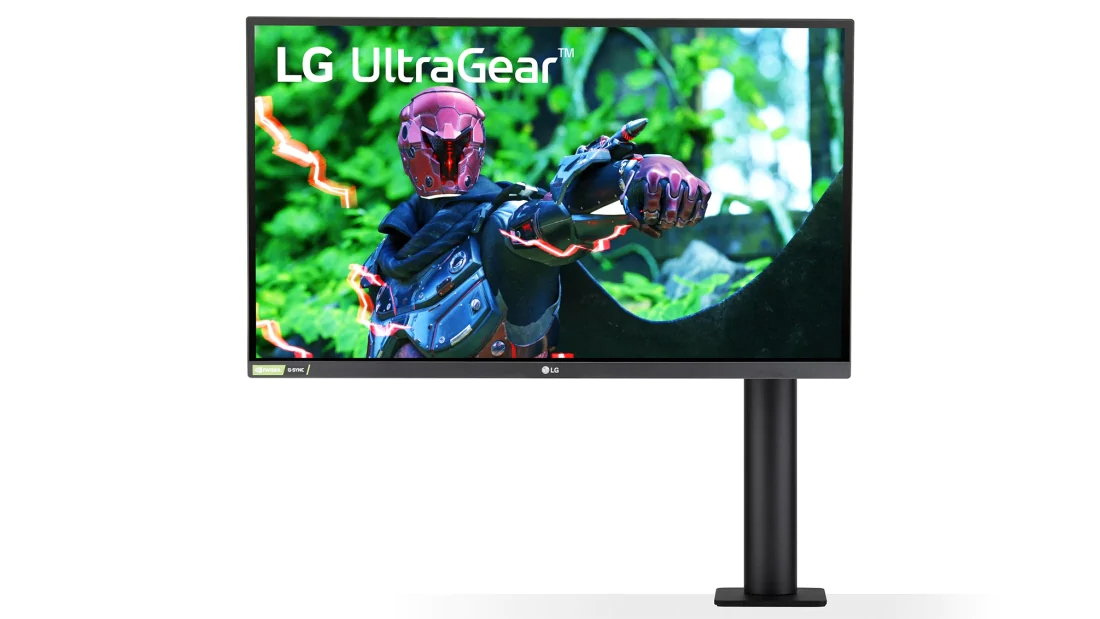
Pro meets gaming
Specifications
Screen size: 27-inch
Aspect ratio: 16:9
Resolution: 2560 x 1440
Brightness: 350cd/m²
Response time: 1ms
Viewing angle: 178/178
Contrast ratio: 1000:1
Color support: DCI-P3 98%
Weight: 8.1 lbs
Reasons to buy
+Excellent 1440p 144Hz IPS panel +Ergo mount is highly adaptable and versative
Reasons to avoid
-Lack of USB-C might be disappointing to pro users
Ergonomics and extended color coverage meet gaming in LG's newest offering. The UltraGear Ergo 27GN88A may target a niche market, but it ticks all the right boxes for many, especially those that want to enjoy fast 1440p gaming without getting something that's heavy and takes up a lot of space. Plus, having something that clamps on to a wide range of surfaces as well as offers both extensive adjustability and clever cable management will ensure you can game for hours on end.
Read the full review: LG UltraGear Ergo 27GN88A
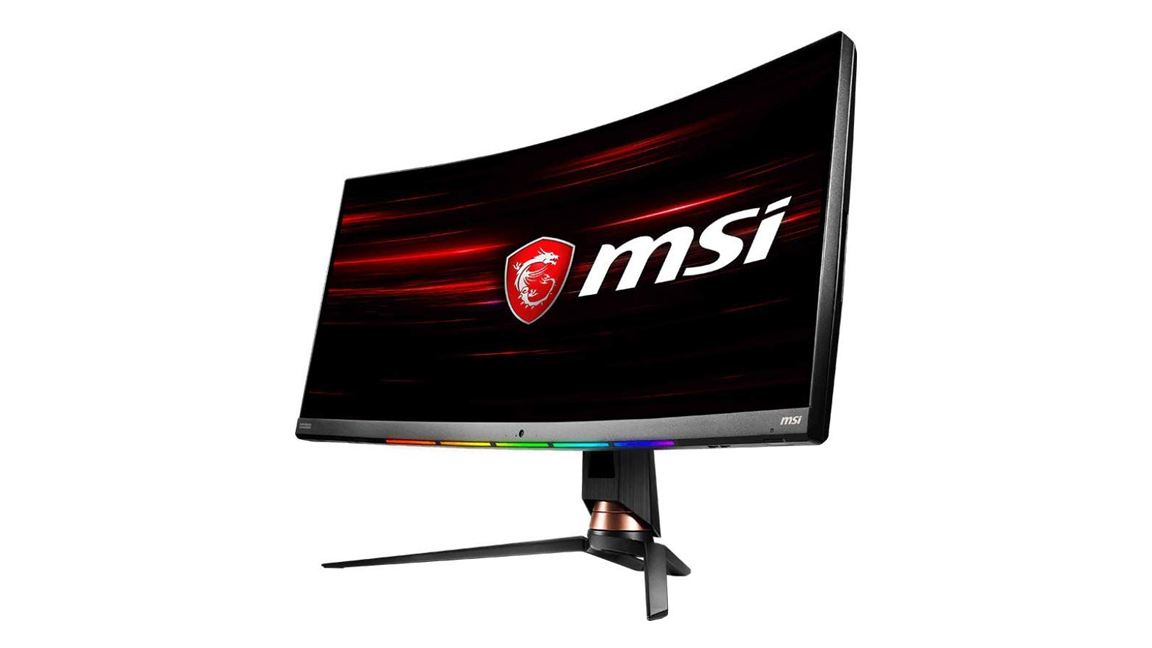
MSI's hot new 34-inch gaming monitor
Specifications
Screen size: 34-inch
Aspect ratio: 21:9
Resolution: 3,440 x 1,440
Brightness: 400 nits
Refresh rate: 144Hz
Response time: 1ms
Viewing angle: 178/178
Contrast ratio: 3000:1
Color support: sRGB 105%
Weight: 21.16 pounds
Reasons to buy
+Punchy VA panel with great gaming performance +Really strong overall feature set
Reasons to avoid
-This class of monitor is expensive
While all of its extra frills make the MSI Optix MPG341CQR an even more appealing selection for potential buyers, it does an outstanding job of standing out on its own. The use of VA rather than IPS panel technology, for one, is a welcome advantage, offering punchier colors and better contrast. Plus, its super-wide 1440p resolution and 144Hz refresh certainly give gamers an edge. The best part might be that this display is also reasonably priced, making it one of the best gaming monitors to consider in 2021.
Read the full review: MSI Optix MPG341CQR
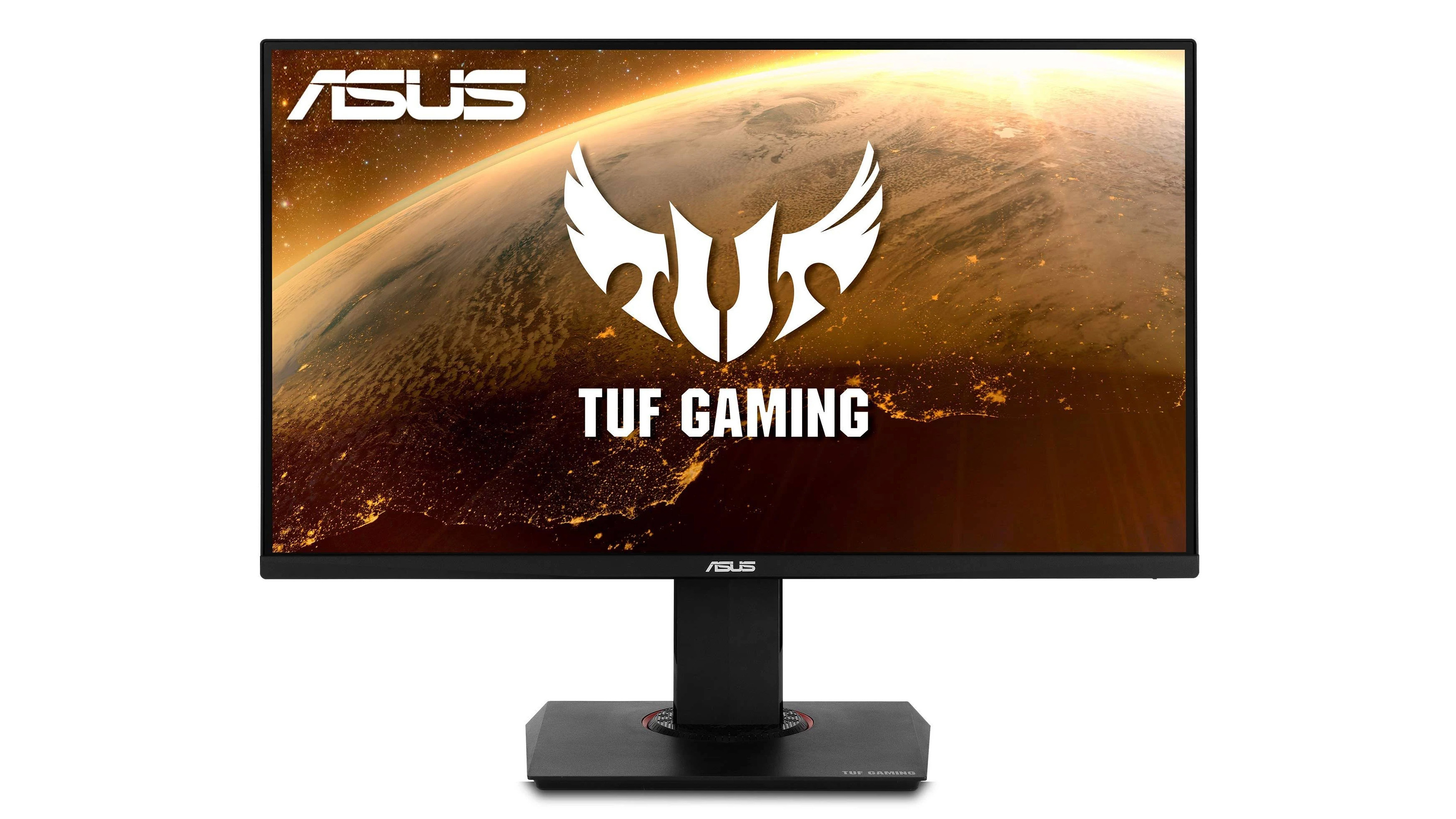
4K meets affordability
Specifications
Screen size: 28-inch
Aspect ratio: 16:9
Resolution: 3,840 x 2,160
Brightness: 350 cd/㎡
Response time: 5ms
Viewing angle: 178/178
Contrast ratio: 1,000:1
Color support: 90% color gamut, 1073.7M (10bit)
Weight: 7.6 kg
Reasons to buy
+Extremely flexible in viewing positions +Gorgeous, accurate colors
Reasons to avoid
-Not true HDR
With the Asus TUF Gaming VG289Q, you're getting a lot of value for your money – especially considering the small price of entry. One of the most affordable 4K gaming monitors right now, this 28-incher can swivel, pivot and tilt practically however which way you need it (within reason, naturally) to serve your purpose. It also has deliciously thin bezels and a nifty cable management solution, as well as a few display settings to boost your viewing experience. Thanks to its rich vibrant colors, super sharp image quality and a design that is only subtly gaming-centric, this is among the best 4K monitors not only for gamers but for regular users who consume a lot of visual media as well.
Read the full review: Asus TUF Gaming VG289Q
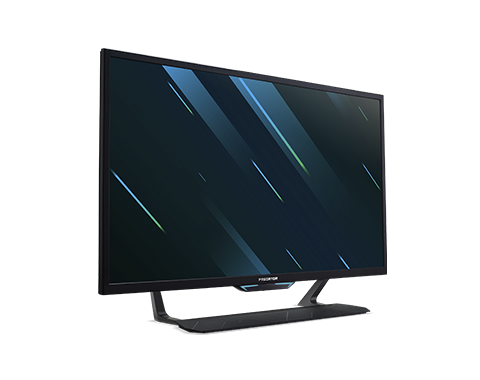
An epic screen
Specifications
Screen size: 43-inch
Aspect ratio: 16:9
Resolution: 3840 x 2160
Brightness: 1000 cd/m²
Refresh rate: 120Hz
Response time: 1ms
Viewing angle: 178°(H)/178°(V)
Contrast ratio: 4,000:1
Color support: 16.7 Million
Reasons to buy
+Responsive with G-Sync support +4K support on a 43-inch screen
Reasons to avoid
-Too big for some, not big enough for others
An epic gaming experience awaits you with Acer Predator CG7's 43-inch screen, 4000:1 contrast ratio, 1ms response time and 120Hz refresh rate. To be fair, there are bigger and badder gaming monitors out there, but for some people – particularly, those looking for a TV with gaming-level specs, this one's a winner. It's got some extra features as well – namely, a remote control, icons on that stand to encourage game controller storage, and RGB lighting that can sync to your music and games – so you're getting your money's worth, even if you are paying for a lot.
Read the full review: Acer Predator CG7
How to buy the best gaming monitor in 2021
If in the market for the best gaming monitor 2021 has to offer, know that there are a few things to keep in mind before choosing which display should grace your desk.
You'll want to familiarize yourself with the following terms and specifications to help guarantee that you're getting the best gaming monitor that's most ideal for you. It also means you won't have to pay extra for additional features that you might not actually care about.
Screen size: When looking for a gaming monitor, one of the most important things to consider is the screen size. Larger display sizes can lead to more immersive gaming experiences as the game fills more of your field of vision, but you'll also have to make sure that you have the space to keep a large monitor. And, it goes without saying that the larger the monitor, the higher the price as well.
Aspect ratio: The aspect ratio of a gaming monitor helps determine the width and height of the display. Most widescreen monitors have an aspect ratio of 16:9, while older monitors have closer to a square format of 4:3 that might feel pretty out of date in 2021. Ultra-wide monitors with aspect ratios of 21:9 are rapidly growing in popularity, as they offer a wider view of your games, which is why many ultra-wides have made our list of the best gaming monitors 2021.
Resolution: One other critical factor to consider when searching for the ideal monitor for your needs is the resolution. The higher the number, the sharper the picture. You will, however, require a more powerful graphics card for anything over Full HD (1,920 x 1,080), even if many gaming monitors feature resolutions as high as 2,560 x 1,400 (WQHD) and 3,840 x 2,160 (4K).
Refresh rate: When you're mostly looking to play Counter-Strike and other first-person shooters like it, refresh rate is even more vital. The higher the refresh rate, the more frames per second (fps) the monitor can support, leading to a considerably smoother gaming experience. A 60Hz refresh rate is still the most common in 2021, but refresh rates of 144Hz and even 200Hz are becoming more prominent – not to mention, more and more necessary.
Response time: An excellent gaming monitor offers low response times, which means you're getting fast and fluid actions, with little to no input lag. The lowest response time for TN monitors (we'll get to this in the next section) is 1 millisecond, whereas the newer IPS monitors typically have slower 4ms response times. When you're playing games competitively, it's vital to keep this number as low as you can in order to avoid latency.
Panel type: This is where things get a little technical. The type of panel a gaming monitor uses will largely contribute to its response time and image clarity. TN (twisted nematic) panels, which are often more affordable, have the lowest response times but usually don't come with great viewing angles. IPS (in-plane switching) panels, on the other hand, have fantastic viewing angles and color reproduction, but usually have higher response times. Meanwhile, VA (vertical alignment) panels are between the two, although its slow response times makes these panels rare in the gaming world.
Viewing Angle: While most people play games right in front of their gaming monitor, this isn't always be the case, particularly when there is an audience. A monitor's viewing angles tell you what angle you can look at the monitor from and still make out a clear image. The closer these numbers are to 180, the better your viewing experience will be when standing further to either side of the monitor or looking at it from above or below.
G-Sync and FreeSync: You've probably noticed that many of the best gaming monitors in 2021 come with either G-Sync or FreeSync technology – sometimes even both. These help keep frames per second (fps) smooth, combat screen tearing and minimize input lag. G-Sync is developed by Nvidia, so it requires an Nvidia GPU. And, the tech is built into the monitor, which can bump up their price tag. FreeSync, on the other hand, was made by AMD. Since it is free to use by manufacturers, the monitors that have them are usually more economical.
How we test gaming monitors
Surprisingly, testing gaming monitors is a bit more involved than you might think. It's more than just watching movies and playing a few games on them – though admittedly, we do quite a bit of that as well. After all, we do have to see how each monitor performs in real world scenarios. It's a tough job, but someone has to do it.
More than that, however, put every gaming monitor's basic features like resolution, refresh rate, response time, color reproduction, and viewing angles through their paces, testing each accordingly. To test faster refresh rates, for example, we frantic, fast-paced titles. We also test extra features like HDR support, G-Sync and AMD FreeSync support, and blue light filter.
Naturally, we take a good look at its design aspects, from its aesthetic down to its stand, mount, and availability of ports, as those are just as important. Then, we take everything we've learned about the gaming monitor and compare it to its price – whether or not it's performance and features are worth the price, and if it offers the best value for consumers.
Check out our HDR Explained video below.
- Looking for a more general monitor? Check out our list of the best monitors

Matt (Twitter) is TechRadar's Senior Computing editor. Having written for a number of publications such as PC Plus, PC Format, T3 and Linux Format, there's no aspect of technology that Matt isn't passionate about, especially computing and PC gaming. If you're encountering a problem or need some advice with your PC or Mac, drop him a line on Twitter.Senior Computing editor
Computer Monitors For Game Design
Source: https://www.techradar.com/news/best-gaming-monitor
Posted by: michaelchfur1944.blogspot.com
0 Response to "Computer Monitors For Game Design"
Post a Comment