

Who Makes More Money Microsoft Or Sony
The battle between Sony vs. Microsoft will determine the future of gaming
Can Sony's exclusive games be enough to keep dominating a market in the face of GamePass and the casual gamer appeal of Xbox's Series S?
17:13 14.11.20
This week marks one of the greatest business bouts of the decade. In one corner, there's American monster Microsoft, which is valued at nearly $1.7 trillion. In the other corner is Japanese brand Sony that's valued at $110 billion. In the middle lies one of the most intriguing and growing markets there is, namely the world of gaming. On Nov. 10, Microsoft released two new versions of its Xbox console. On Thursday, Sony released its Playstation 5, and the previous generation of gaming consoles, which were unveiled seven years ago, will become obsolete. Sony won the last battle in a knock-out when it unveiled the Playstation 4. Between November 2013 until July of this year, Sony sold 112 million consoles, while Microsoft sold only 48 million versions of its Xbox One. And if things couldn't get any worse for Microsoft, Nintendo sold 62 million consoles of its handheld gaming console, Switch, which was only released in March 2017. Who will become the "Netflix" of the gaming world? During the past few years, more and more people are on the lookout for the "Netflix" of the gaming world. If you think about Netflix today, it's a streaming service that allows users to access a large virtual library with great variety in seconds. The gaming world, however, isn't quite there yet. Last year, Google released a similar streaming service, Stadia, but it didn't fly, mainly because it didn't offer a varied library and its weak connectivity didn't allow for immediate streaming. If you recall Netflix's early days, its roots as a service that allowed subscribers to rent DVDs for a monthly fee, you realize that the real revolution was the ability to provide access to a wide variety of content. The streaming revolution - which allowed users to access and stream content immediately - only happened later. That's where Microsoft's Game Pass comes into the picture, offering 200 titles and weekly new additions. Its immediate significance is clear: pay less, get more games - namely more access to try new games without purchasing them first. A new game is an investment that costs up to $60 now, with talk of prices climbing to $70 over the coming period. Microsoft is now offering an annual subscription, for the price of two or three games, to access a nearly infinite number of games, certainly, more than a single player can play in a month or even a year. While it won't have all the games, users will always find something to play. Here's where Microsoft's big gamble comes in: its Xbox Series S, the most affordable version of its newest console. Its Series X, which is sold for $500, offers the best graphic capabilities that modern software can provide. The Series S, meanwhile, costs $300 (NIS 1,349) and has a weaker processor that isn't much stronger than the current generation of consoles. That may be a drawback, but it is a secondary consideration for the audience that Microsoft is trying to target with the Series S For several years now casual games — short and relatively easy and simple games— are becoming more popular than hard-core or traditional games, like those played on gaming consoles or PCs. Microsoft examined the world of casual games and decided to release the Series S, once it learned an important lesson: people want to play games easily, quickly and comfortably. The Series S is perfect for the casual gamer, or people who aren't even gamers at all. Those customers can pay a smaller fee while accessing a large virtual game library. When it comes to the deal that Microsoft is offering, there is no competition to the Series S. The Nintendo Switch also costs $300, but not only does it not offer the Game Pass streaming option, Nintendo is notorious for not offering discounts on its major titles. Customers can also purchase a PC at the same price and connect to the PC version of Game Pass, but it won't be able to play most games, and the performance on those that can be played will be lacking. When users buy a console, the purchase includes something like a manufacturer's promise ensuring that they don't have to worry about software performance for the next seven years. Games may not run as fast or be as graphically impressive, but they will be playable without issue all the way up to the next generation of consoles. The timing of the new consoles' release makes even the weaker Series S appeal to a more refined audience, by virtue of the fact that the rate of game graphics improvement has declined dramatically from the moment it became convincingly photo-realistic. All of the games which will look amazing on the Series X will still look pretty good on the Series S. The main difference between modern games to those from 2015 is in the small details, whether that be the sweat on a player's forehead or how rugged a leaf's texture is that falls from the sky. You can't compare games from 1995 to those from 2000, or between games from 2000 to those from 2005. Quality vs Quantity So what should hardcore gamers do? Those who don't want to give up on Sony's exclusive games? Executive Vice President of Gaming at Microsoft and head of the Xbox brand Phil Spencer hinted at a solution in an interview to gaming website Kotaku: "The S can also be used as a "second console." Do you want the expensive Playstation with Sony's exclusive games? No problem. But if you're already spending a lot of money on your precious hobby, why don't you bring home Xbox's cheaper console and enjoy all of the games it offers without buying a single one? If some of those games are Fallout or Doom, there's a good chance that even Sony's most devout fans will open the door to Microsoft's clever little console. Sony is broadcasting business as usual, and rushing to put out the fires that Game Pass lit. PlayStation CEO and head of Sony's gaming division Jim Ryan doesn't miss an opportunity to let people know that he doesn't believe in service streaming platforms. In an interview in September he repeated how he doesn't think such a plan is sustainable, saying "developing games costs millions of dollars, sometimes over $100 million. For other companies that are in a different place right now, perhaps that can work, but not for us," he said. "What we offer to our customers is what defines our platform: excellent, new games."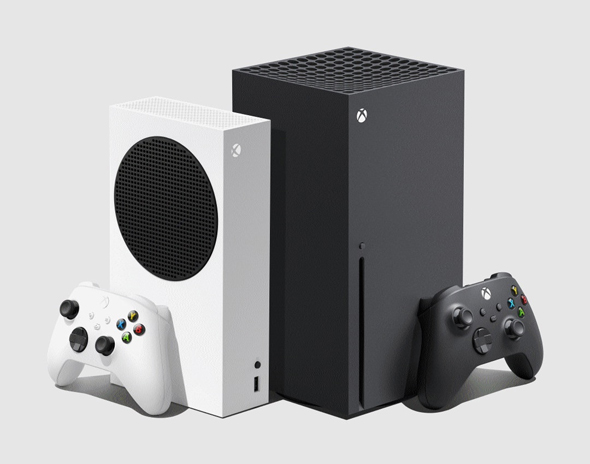 The new XBox gaming consoles. Photo: Xbox
 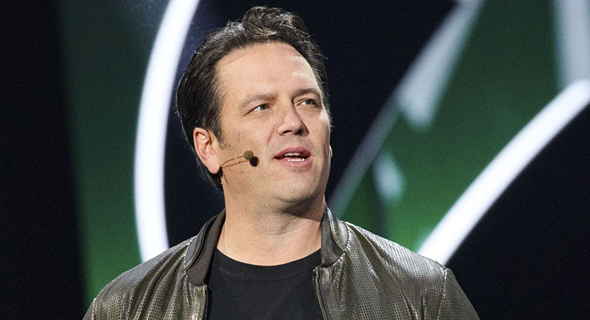 Head of Xbox Phil Spencer. Photo: Bloomberg
 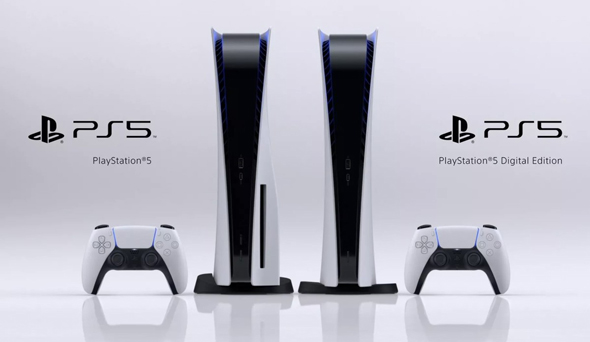 The Playstation 5 console. Photo: Playstation
Who Makes More Money Microsoft Or Sony
Source: https://www.calcalistech.com/ctech/articles/0,7340,L-3871434,00.html
Posted by: michaelchfur1944.blogspot.com
0 Response to "Who Makes More Money Microsoft Or Sony"
Post a Comment